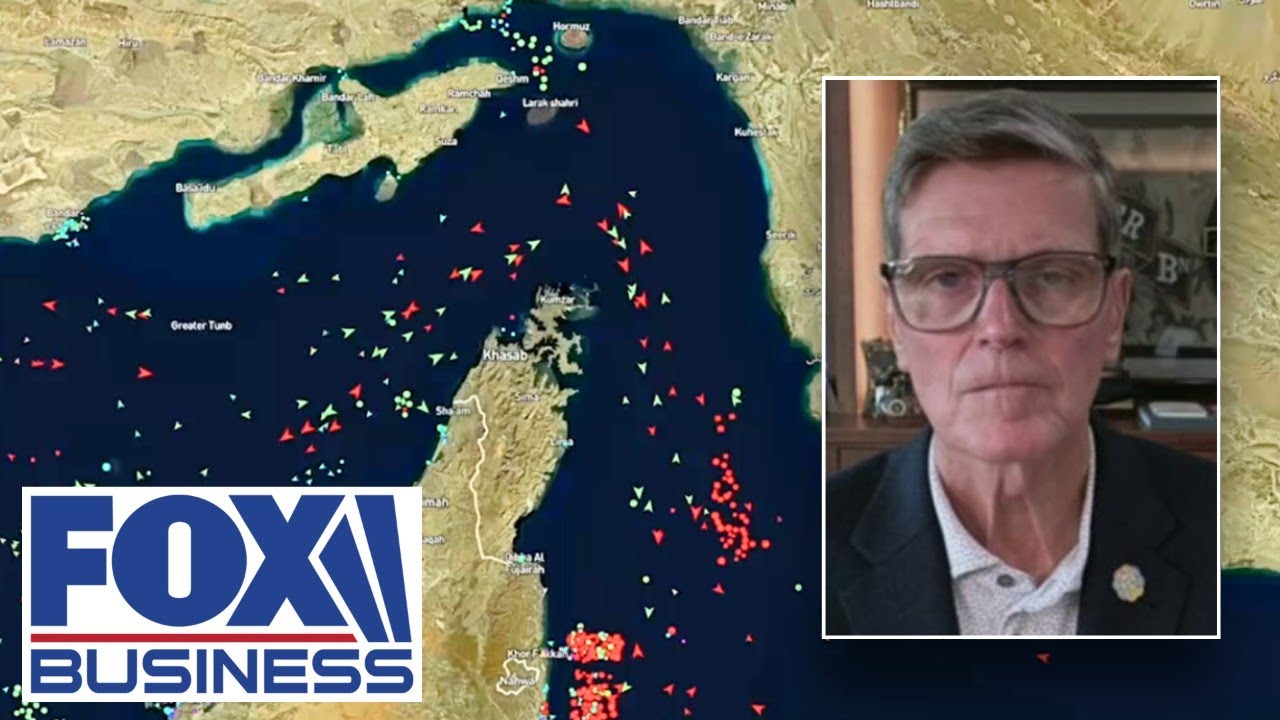

Before the US and Israel bombed Iran, energy experts outlined the worst-case scenario for oil markets: a halt to shipping through the Strait of Hormuz combined with Iranian retaliation against ports, refineries and gas terminals across the Gulf.
Four days into the conflict, much of that scenario has occurred: key energy facilities in the region have been attacked, shutting down the world’s largest liquefied natural gas plant in Qatar and one of Saudi Arabia’s most important oil refineries.
Commercial shipping through the strait has stalled, with more than 150 tankers now waiting outside Hormuz, as shipowners and insurers balk at sending vessels through live fire.
However, crude has defied predictions of a rapid surge above the symbolically important $100 a barrel level.
#iran #trump #usiran #iranuswar #israel #shortsvideo #shortfeed #shorts #shortsviral #shortsyoutube #shortsvideos #shortfeed #airtravel #aviation #energyprices #oilprice
► Enjoying FT content? Get a daily slice of the very best FT journalism with FT Edit. Free for 30 days then just £4.99 a month
See if you get the FT for free as a student (http://ft.com/schoolsarefree) or start a £1 trial: https://subs.ft.com/spa3_trial?segmentId=3d4ba81b-96bb-cef0-9ece-29efd6ef2132.
► Check out our Community tab for more stories: https://www.youtube.com/@FinancialTimes/community
► Listen to our podcasts: https://www.ft.com/podcasts
► Follow us on Instagram: https://www.instagram.com/financialtimes
► Follow us on Instagram: https://www.tiktok.com/@financialtimes